


Why Do Customers Visit Your Website but Leave Without Contacting You?
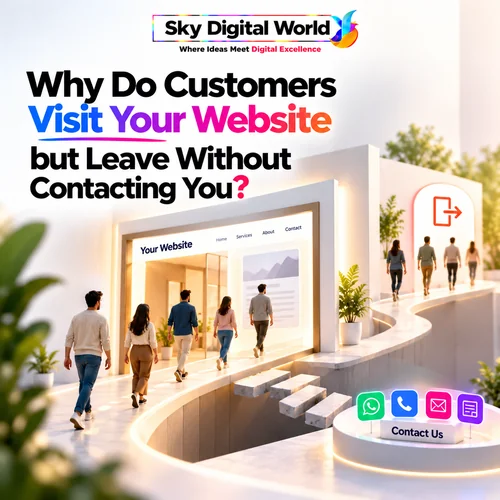
Why Do Customers Visit Your Website but Leave Without Contacting You?
Your website is getting visitors. Google Analytics shows traffic, your SEO efforts are bringing people in, and your marketing campaigns are generating clicks.
But there’s one frustrating problem.
People visit your website, explore a few pages, and leave without calling, filling out a form, or sending a WhatsApp message.
Sound familiar?
Many businesses assume that more website traffic automatically means more customers. However, attracting visitors is only the beginning. The real challenge is turning that attention into meaningful enquiries.
A website can look attractive and still fail to generate leads.
Sometimes the problem is confusing navigation. Sometimes visitors don’t trust what they see. And sometimes they simply cannot find a compelling reason to contact you.
This is where Website Conversion Optimization becomes important.
Let’s explore why potential customers leave without contacting your business and how you can create a website that encourages genuine enquiries.
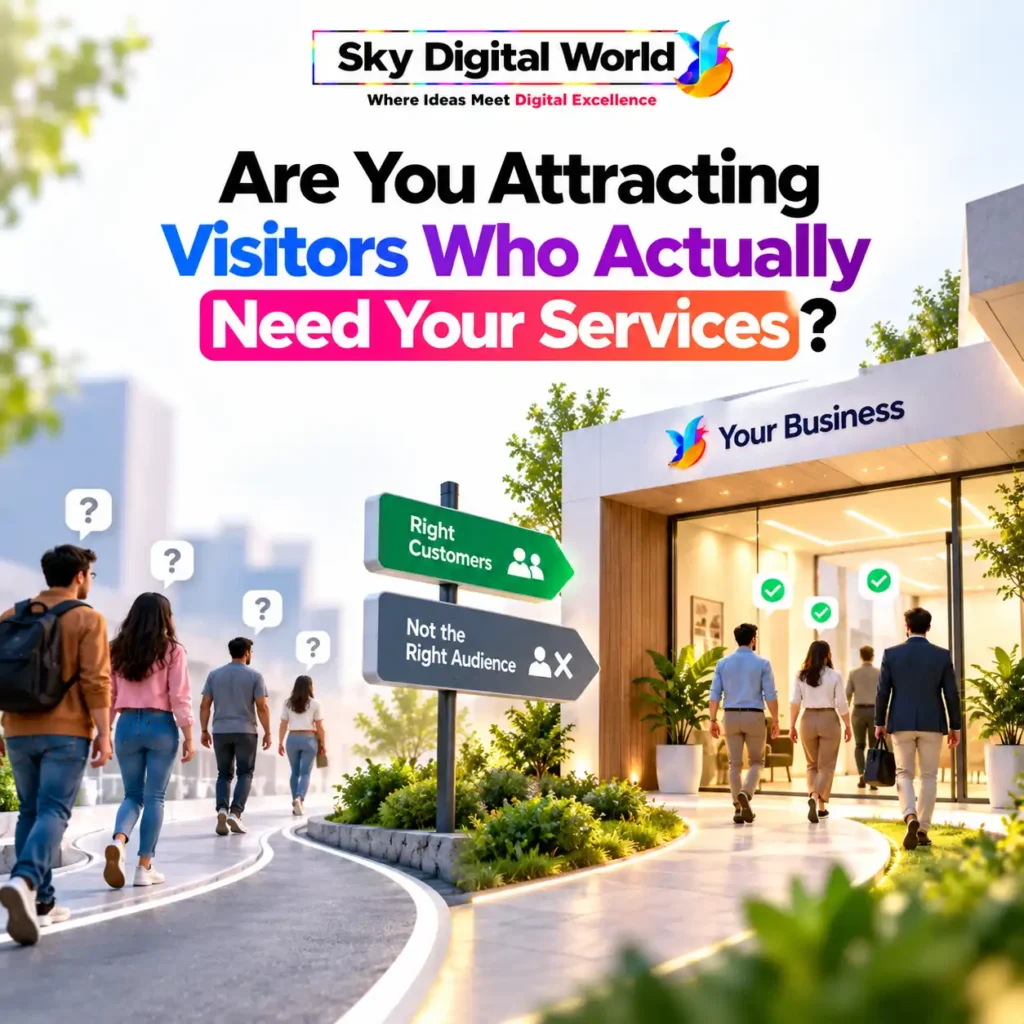
1. Are You Attracting Visitors Who Actually Need Your Services?
Not every website visitor is a potential customer.
Imagine you own a website development agency. Your blog attracts hundreds of visitors searching for “free website templates.”
Those visitors might enjoy your content, but many aren’t looking to hire a developer.
Your website traffic increases, yet enquiries remain unchanged.
The problem isn’t always your website design. Sometimes it’s the audience you’re attracting.
What Can You Do?
Understand the difference between informational and commercial search intent.
Someone searching “What is SEO?” may simply want information.
Someone searching “SEO services for manufacturing companies” may be closer to contacting a service provider.
Build content for both audiences, but ensure your service pages target people who are actively evaluating solutions.
Quality traffic is more valuable than traffic that has little connection to your business goals.
2. Does Your Homepage Explain What You Offer Within Seconds?
Imagine visiting a website and seeing this headline:
“Transforming Tomorrow Through Innovative Digital Excellence.”
It sounds impressive, but what does the company actually do?
Visitors shouldn’t have to investigate your website to understand your services.
A confusing homepage creates unnecessary effort.
Make Your Message Clear
Your homepage should quickly communicate three things:
- What your business offers.
- Who your services are designed for.
- What visitors should do next.
For example:
“SEO, Website Development and Digital Marketing Services for Growing Businesses.”
This tells visitors what to expect.
Follow it with a short explanation and a relevant action, such as “Request a Consultation.”
Clarity often matters more than clever marketing language.
3. Is Your Website Creating Trust or Raising Doubts?
Would you contact a company that provides no business details, project examples, or clear explanation of its services?
Probably not.
Visitors often look for reassurance before sharing their phone numbers or discussing their requirements.
A website without credible information can make even a genuine business appear uncertain.
How Can You Build Trust?
Show authentic customer testimonials, relevant work examples, business contact information, and clear service descriptions.
If you have certifications, mention only those you genuinely hold.
Explain your process so potential customers understand what happens after contacting you.
For service businesses, real examples can be particularly useful.
Trust isn’t created by calling yourself the best. It’s built by helping visitors feel informed and confident.
4. Are Your Contact Buttons Easy to Find?
A visitor likes your services and wants to enquire.
But the contact button is hidden in the footer.
The phone number isn’t clickable.
And the WhatsApp option disappears on mobile.
Even interested visitors may abandon the process when contacting a business becomes difficult.
Improve Your Calls to Action
Place relevant contact options near important decision points.
For example, a service page might include:
“Discuss Your Website Requirements.”
A product page might use:
“Request Product Specifications.”
A pricing-related page could say:
“Get a Custom Quotation.”
Different pages may need different calls to action.
The goal is to make the next step obvious without overwhelming visitors with repeated buttons.
5. Is Your Contact Form Asking Too Many Questions?
A visitor wants a quotation.
Your website asks for their full name, email, phone number, company name, address, industry, budget, project timeline, and detailed requirements.
That’s a lot of effort before a conversation even begins.
Long forms can discourage enquiries, especially on mobile devices.
Keep Forms Relevant
Ask only for information needed to start the conversation.
For many service businesses, a simple form can begin with name, contact details, and a short requirement.
Additional questions can be discussed later.
However, some businesses genuinely need more information to qualify enquiries.
The right form length depends on your service and sales process.
A good contact form balances convenience with useful lead information.
6. Does Your Website Work Smoothly on Mobile Phones?
Many customers discover businesses while browsing on their phones.
They might be travelling, taking a short break, or comparing services between meetings.
If your website loads slowly, buttons are difficult to tap, or text requires constant zooming, visitors may leave.
Mobile usability isn’t simply about making a desktop website smaller.
It’s about creating a comfortable experience on a smaller screen.
What Should You Check?
Test important pages on actual mobile devices.
Make sure navigation works, text is readable, forms are usable, and contact options function correctly.
Review page loading performance using tools such as Google PageSpeed Insights.
Pay particular attention to large images, unnecessary scripts, and layout movement.
A smoother experience reduces friction, although speed improvements alone cannot guarantee more leads.
7. Are You Explaining Benefits Instead of Only Listing Services?
Many websites describe what they offer but forget to explain why customers should care.
Consider these two examples.
Example A: “We provide website development services.”
Example B: “We build business websites with clear service information, mobile-friendly layouts, and simple enquiry options.”
The second example gives customers a better understanding of what they’ll receive.
Make Your Content Customer-Focused
Explain the practical outcomes of your service without making unsupported promises.
If you offer SEO, describe how you research relevant searches and improve website content.
If you manufacture industrial products, explain specifications, applications, customization options, and enquiry procedures.
Customers contact businesses when they understand how an offering relates to their requirements.
8. Are Visitors Leaving Because Your Website Doesn’t Answer Their Questions?
Before contacting a business, customers often want answers.
How does the process work?
What information is required?
Do you serve their location?
Can they request customization?
What happens after submitting an enquiry?
If your website ignores these questions, visitors may continue researching elsewhere.
Create Helpful Content
Add relevant FAQs, service explanations, comparison guides, and process information.
For example, a digital marketing agency could explain what is included in its SEO service and how performance is reported.
A manufacturing company could describe product dimensions, material options, and quotation requirements.
Answering questions helps visitors make informed decisions.
It also supports Website Conversion Optimization by reducing uncertainty before contact.
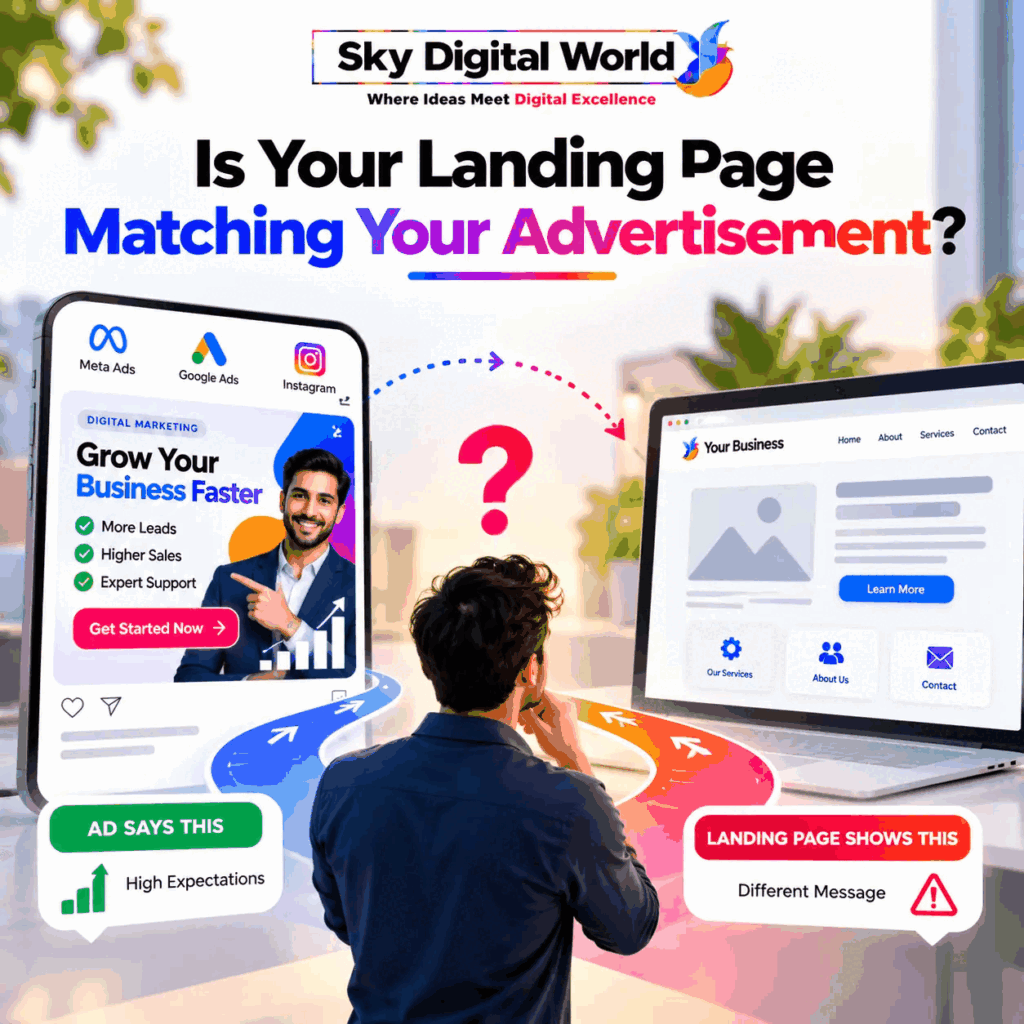
9. Is Your Landing Page Matching Your Advertisement?
Imagine clicking an advertisement promoting scaffolding products.
Instead of reaching a relevant product page, you land on a generic company homepage.
Now you must search for the product yourself.
Some visitors will continue. Others will leave.
This mismatch can occur with Google Ads, Meta Ads, email campaigns, and organic search results.
Maintain Message Consistency
Send visitors to pages that match their expectations.
If an advertisement discusses website redesign, the landing page should clearly explain website redesign services.
Keep the headline, supporting information, and call to action relevant to the original message.
A consistent experience helps visitors understand that they’ve reached the right place.
10. Are You Giving Customers a Reason to Contact You Now?
Not every visitor is ready to make an immediate decision.
Some are comparing providers. Others are gathering information or waiting for internal approval.
Your website should support different stages of the buying journey.
Offer a Useful Next Step
Depending on your business, this might include a consultation, product catalogue, project discussion, or quotation request.
Avoid artificial urgency such as fake countdown timers or misleading limited-time offers.
Instead, communicate the genuine value of starting a conversation.
For example:
“Have a project in mind? Share your requirements and discuss suitable options with our team.”
A helpful invitation can be more effective than an aggressive sales message.
11. Are You Measuring Why Visitors Leave?
Guessing isn’t a reliable conversion strategy.
A business owner might believe the homepage needs a complete redesign when the actual problem is a broken mobile enquiry form.
Website analytics can help identify areas that deserve investigation.
Important Metrics to Review
Metric | What It Can Help You Understand |
Landing Page Performance | Which pages attract visitors |
Engagement Rate | How visitors interact with pages |
Form Submissions | How often visitors complete enquiries |
CTA Clicks | Whether visitors use contact buttons |
Mobile vs Desktop Performance | Whether device experiences differ |
Traffic Sources | Which channels attract relevant visitors |
Use Google Analytics 4, Google Search Console, and appropriate event tracking to understand visitor behavior.
Privacy-conscious usability testing can provide additional context.
Remember that a low engagement rate or high exit rate doesn’t always indicate failure. Some visitors find what they need without contacting the business.
12. How Can Website Conversion Optimization Turn More Visitors Into Enquiries?
Website Conversion Optimization is the process of improving website experiences so more relevant visitors complete meaningful actions.
These actions might include requesting a quotation, calling your business, submitting an enquiry, or starting a WhatsApp conversation.
The process should begin with evidence.
Identify pages receiving relevant traffic but producing few enquiries.
Check their messaging, usability, trust information, and contact options.
Then test focused improvements.
For example, compare a generic “Contact Us” button with a more specific “Request a Website Consultation” button.
Monitor whether the change improves qualified enquiries rather than just clicks.
The objective isn’t simply to increase conversions. It’s to make it easier for suitable customers to connect with your business.
13. What Should You Improve First? A Practical 30-Day Plan
You don’t need to redesign your entire website immediately.
Start with improvements that address the most important customer journeys.
Week | Focus | Action |
Week 1 | Website Audit | Review important landing pages, forms, mobile usability, and tracking |
Week 2 | Content Clarity | Improve headlines, service explanations, FAQs, and trust information |
Week 3 | Contact Experience | Simplify enquiry forms, check WhatsApp links, and improve relevant CTAs |
Week 4 | Measurement | Review conversion events, identify remaining friction, and plan further tests |
Make changes in a controlled way whenever possible so you can understand their impact.
A 30-day review can reveal opportunities, but the time needed to demonstrate measurable improvements depends on traffic volume and other factors.
Final Thoughts: Your Website Should Do More Than Attract Visitors
Website traffic is valuable, but traffic alone doesn’t build a customer relationship.
People contact businesses when they understand the offering, trust the information, and feel comfortable taking the next step.
A confusing message, missing information, difficult form, or poor mobile experience can interrupt that journey.
The solution isn’t always more advertising or higher search rankings.
Sometimes, the biggest opportunity is improving the experience for visitors who are already finding you.
At Sky Digital World, we focus on helping businesses connect their digital marketing efforts with clear, useful website experiences.
Because a successful website shouldn’t simply attract attention.
It should make the next step easier for the right customer.
Is Your Website Getting Traffic but Not Enough Enquiries?
Your website may already have interested visitors. The next step is understanding what’s preventing them from contacting you.
Explore website development, SEO, and conversion optimization solutions at Sky Digital World.
Frequently Asked Questions
Visitors may leave because the website doesn’t meet their needs, lacks clear information, creates trust concerns, or makes contacting the business difficult. Some visitors are also researching rather than ready to enquire. problems.
Website Conversion Optimization involves improving content, usability, calls to action, and enquiry processes to help relevant visitors complete meaningful actions.
Potentially, yes. Improving the experience for existing visitors can increase enquiries, although results depend on traffic quality, customer demand, and the effectiveness of the changes.
Slow loading can frustrate visitors and interrupt their journey. Improving performance supports usability, but speed is only one factor influencing conversions.
Review landing page performance, contact button interactions, form submissions, device differences, and customer feedback. Prioritize pages with relevant traffic and identifiable conversion